Forensics
Articles explaining how DNA analysis works in criminal investigations and identification. Coverage includes collection methods, laboratory techniques and various DNA testing approaches.

Basics of DNA Forensics Techniques
How DNA forensics techniques like PCR and RFLP help identify people through tiny samples and analysis methods.

DNA Crime Scene Collection
Proper collection, handling and storage of DNA evidence at crime scenes is critical to keeping it admissible in court.

DNA Identification of September 11th Victims
How forensic scientists used advanced DNA analysis to identify thousands of victims from the September 11 attacks.
Effectiveness of DNA Identifiers
DNA identification isn't as foolproof as people think and requires careful judgment alongside other evidence.
Mitochondrial DNA Analysis
Mitochondrial DNA analysis works on degraded or old samples where standard DNA testing fails, making it useful for cold cases and missing person investigations.
PCR Analysis: Polymerase Chain Reaction
PCR lets forensic scientists and medical professionals copy DNA millions of times from tiny, degraded samples using enzymes and a chain reaction process.
Performing DNA Typing
DNA typing identifies individuals through their unique genetic differences and is used in forensic science, medicine, and paternity testing.

RFLP Analysis
RFLP is an early DNA analysis technique that cuts DNA with enzymes and separates the fragments to identify genetic variations and disease genes.
STR Analysis: Short Tandem Repeat
How STR analysis uses DNA repeat patterns to create unique genetic profiles for criminal investigations and identification.
Understanding Forensic Identification
How forensic identification uses DNA profiles to solve crimes and prove innocence beyond just criminal investigations.
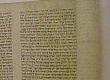
Using DNA to Date Manuscripts
Scientists are using DNA from animal skins in ancient parchment to pinpoint when and where medieval manuscripts were made.
Y Chromosome Analysis
Y chromosome analysis helps scientists trace male family lines and genetic mutations by studying how these chromosomes pass from fathers to sons.